Anime Like For Almost Forgotten Stories
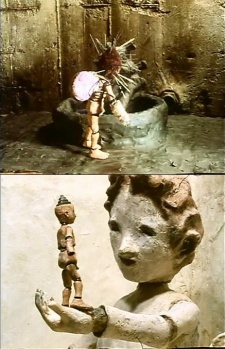
This one doesn't entertain you, it wears you down in the best way. It opens at The Gate of Confusion and never once explains itself, and if you need a map you're already lost. The whole film is a walk: a protagonist meeting strange figure after strange figure, handing over a burden at each stop, getting lighter and stranger as he goes. Naoyuki Tsuji works solo, so every frame carries one person's hand and one person's unease, which is why it feels less like a movie and more like somebody's recurring dream you were never supposed to see. Nothing here moves fast, and the slowness is the whole argument. Watch it once, forget the images, then have one of them show up unannounced three weeks later while you're doing dishes.
SYNOPSIS
A traveler awakens at the Gate of Confusion with no memory of how he arrived. The world around him is fragmented and dreamlike, populated by peculiar beings who seem to exist in their own moments of despair. Each encounter offers a strange bargain: shed a burden, gain a fragment of understanding, lose something else entirely. The journey becomes less about reaching a destination and more about unraveling what weighs him down. Some characters speak in riddles. Others simply exist as mirrors, reflecting truths the traveler isn't ready to face. The landscape shifts between serene and unsettling, never quite settling into either. This is a psychological odyssey that questions whether liberation comes from gaining answers or accepting their absence. The tone drifts between melancholic and eerie, grounded in surreal logic rather than conventional narrative. It's introspective without being pretentious, strange without losing emotional core. For viewers drawn to unconventional storytelling that prioritizes atmosphere and inner transformation over plot momentum, this film offers something distinctly unnerving and oddly contemplative.