Anime Like Ouritsu Uchuugun: Honneamise no Tsubasa - Pilot Film
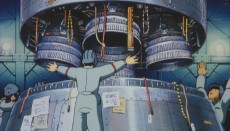
This is the four minutes that bought a company its future. Before Gainax was Gainax, it was a pack of Daicon fanboys with a proof-of-concept reel, and this 1985 pilot is the pitch that convinced Bandai to hand a bunch of unproven kids a feature film budget. Watch it as a document: every rivet of that alternate-Earth hardware, every deliberately un-heroic bit of retro-futurist design, is Yamaga and company arguing that anime could be about the unglamorous labor of getting a rocket off the ground. The animation is denser than it has any right to be for something made to impress executives in a room. Two years later Royal Space Force: The Wings of Honneamise arrived and flopped, then quietly became untouchable. This is the receipt. Four minutes, and you can see the whole studio deciding what it wants to be.
SYNOPSIS
An aspiring pilot joins the Royal Space Force at a pivotal moment in human history. His nation stands on the brink of launching its first manned spacecraft, a mission that could reshape international power dynamics and cement their place among the stars. Around him, brilliant engineers and ambitious officers work toward this monumental goal, each driven by their own vision of what space exploration means. The film captures the raw ambition and technical wonder of the early space race, grounded in realistic military bureaucracy and the personal stakes of those involved. There's genuine tension underlying every scene: will they succeed? What sacrifices will the mission demand? The narrative balances intimate character moments with sweeping scope, showing how individual dreams intersect with national destiny. This is spacefaring sci-fi without fantastical elements, built on meticulous worldbuilding and a palpable sense of historical weight. It's for viewers who want their science fiction rooted in plausible technology and human determination rather than spectacle alone.